
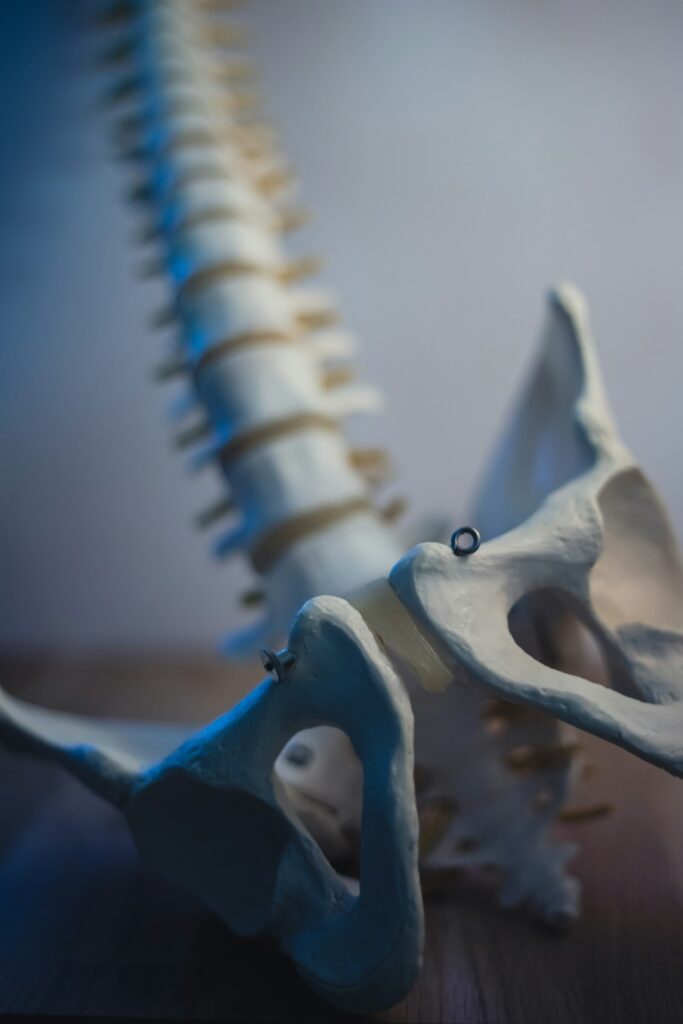
Living in Kiryas Joel, NY, means embracing a lifestyle centered on family, tradition, and community. With bustling homes, active walking, and a focus on communal gatherings, our day-to-day activities can sometimes place unexpected strain on our bodies. One common result of this physical stress is a pinched nerve—a source of pain and discomfort that many seek to avoid. As a trusted chiropractor serving Kiryas Joel, I want to share practical, non-medical strategies to help you prevent pinched nerves and enjoy a healthier, more comfortable lifestyle.
Understanding Pinched Nerves
Pinched nerves occur when surrounding tissues—such as bones, cartilage, muscles, or tendons—exert excessive pressure on a nerve. This can result in symptoms like pain, tingling, numbness, or weakness. Prevention requires a combination of healthy habits and awareness, especially important for the diverse routines embraced by families and community members in Kiryas Joel.
Common Causes of Pinched Nerves in Kiryas Joel
Understanding the local lifestyle helps us identify specific risks:
- Carrying children, groceries, or heavy books frequently
- Prolonged sitting during study or prayer
- Lack of ergonomic workspaces at home or in local businesses
- High participation in community events that include standing or walking for long periods
Identifying these everyday triggers is the first step in protecting your nerves and enhancing your quality of life.
Tips for Preventing Pinched Nerves
1. Practice Good Posture
Maintaining proper alignment helps prevent undue pressure on nerves, particularly during long stretches of prayer or study. Whether you're sitting in a yeshiva, at home, or in shul, keep these tips in mind:
- Sit with your feet flat on the floor
- Keep your back straight and shoulders relaxed
- Use a supportive chair, and consider adding a small pillow for lumbar support
2. Take Regular Breaks
One of the biggest risks in our community is prolonged periods of sitting. Make it a habit to:
- Stand up every 30-60 minutes
- Stretch gently, focusing on your back, neck, and shoulders
- Walk around the room or outside if possible
If you’re spending time in group study, encourage your peers to join you in standing breaks.
3. Use Proper Lifting Techniques
From shopping at local stores to lifting young children, proper lifting is essential:
- Bend at your knees, not your waist
- Hold objects close to your body
- Avoid twisting while lifting—turn with your feet instead
When you’re bringing in heavy packages or helping with community setups, ask for help when needed to avoid straining your back and neck.
4. Maintain a Healthy Weight
Extra weight puts additional pressure on nerves, especially in the lower back. In Kiryas Joel, where home-cooked meals are staples, focus on balanced nutrition:
- Choose wholesome, nourishing foods
- Incorporate fruits, vegetables, and lean proteins
- Stay active with daily brisk walks or family activities
5. Optimize Your Sleep Environment
Nightly rest is when your body recovers, but poor sleep posture can lead to nerve compression:
- Invest in a supportive mattress that maintains spinal alignment
- Use a pillow that keeps your neck in a neutral position
- Avoid sleeping on your stomach, which can twist the spine and neck
Especially during Shabbos or holidays, when routines change, pay extra attention to your sleep setup.

6. Stay Active with Safe Exercise
While daily walks are a great part of the Kiryas Joel lifestyle, consider adding stretches and strengthening exercises to protect your nerves:
- Gentle yoga or stretching can increase flexibility and relieve tension
- Core-strengthening exercises improve back stability
- Regular low-impact activities like walking or swimming reduce the risk of injuries
Encourage the whole family to move together, making activity a regular, enjoyable part of your schedule.
7. Listen to Your Body
Ignoring minor aches can lead to more serious nerve compression issues:
- If you notice tingling, numbness, or weakness, take a break
- Reposition yourself and avoid repeating the activity that caused discomfort
- Seek professional evaluation if symptoms persist more than a few days
Being proactive can prevent acute pain and long-term complications.
Special Tips for Kiryas Joel Residents
Kiryas Joel is known for its community involvement, festive celebrations, and hands-on home life. Here are some tailored suggestions:
- When organizing community events, use carts or trolleys instead of carrying heavy loads by hand.
- Designate spaces at home for children’s backpacks, so they are not always carried by adults.
- Work with local businesses to introduce ergonomic workspaces, even in small operations.
By making these small changes, you can foster a healthier community and minimize the risk of pinched nerves for everyone.
When to Seek Professional Help
Sometimes, despite our best efforts, nerve pain may develop. If you experience:
- Persistent numbness, tingling, or weakness
- Sharp or burning pain radiating down your limbs
- Symptoms interfering with daily routines
Contact a healthcare provider or chiropractor for an evaluation. Prompt care can prevent further complications and help you return to your normal activities faster.
Final Thoughts
A pinched nerve doesn’t have to become a part of your daily life. By embracing the prevention strategies tailored to Kiryas Joel’s unique local routines, you can protect your health, continue your cherished activities, and enjoy the warmth of our vibrant community without discomfort.
For more health insights or advice tailored to our local lifestyle, stay connected and prioritize your well-being every day—because a healthy you means a stronger, more active Kiryas Joel.
