
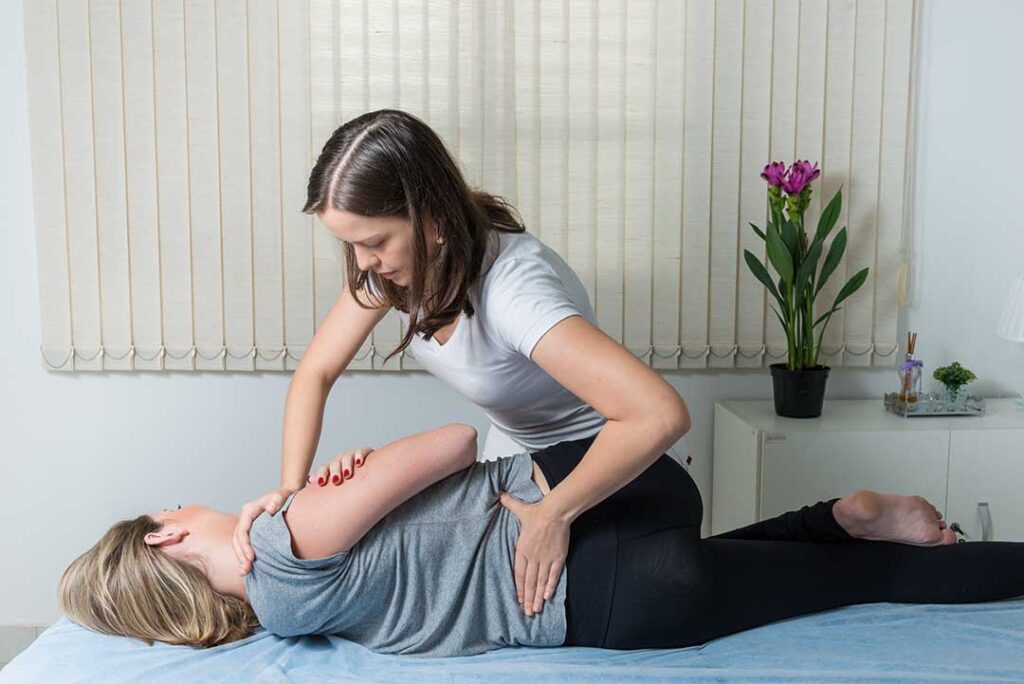
What Self-Care Behaviors Can Help with Chronic Pain?
Small, consistent self-care steps can play a meaningful role in managing chronic pain over time. While chronic pain has many causes—including arthritis, past injury, and health conditions—practical daily routines and lifestyle choices often make everyday life more manageable for individuals living in Kiryas Joel, NY.
Well-established self-care strategies include:
- Gentle movement, such as daily walking or stretching
- Establishing regular sleep habits
- Identifying small modifications in daily routines to reduce strain
- Exploring heat or cold packs safely for symptom relief
- Maintaining a pain diary to spot patterns and triggers
Residents frequently incorporate these approaches into routines that fit the rhythms of local life, considering seasonal changes, limited walkable spaces, and the importance of indoor home activities during colder months.
How Can Simple Movement and Stretching Support Relief?
Gentle movement encourages circulation, flexibility, and joint health, which together may decrease discomfort. For many in the community, staying active in safe, low-impact ways—even in small apartment spaces—makes a daily difference.
Low-stress activities commonly practiced at home for relief include:
- Stretching key muscle groups for five to ten minutes, especially after waking or before bedtime
- Short walks in and around the neighborhood, adjusted to individual tolerance and mobility
- Seated or mat-based routines for those with limited space or mobility (such as chair yoga)
The goal is not intense exercise, but regular, moderate activity. Many find that simply shifting positions more frequently through the day, instead of sitting or lying in one place, helps reduce stiffness and pain flare-ups. It's common for individuals in the city to adapt movement habits due to crowded home layouts or shared staircases—adjusting goals as needed.
What Role Do Heat and Cold Therapy Play?
Applying heat or cold can be a practical way to manage pain flares. Residents often make use of items available at home—such as a warm towel or a bag of frozen vegetables—as makeshift therapy packs.
- Heat (warm compresses, heated pads) can be helpful for relaxing tight muscles or easing joint stiffness, especially after activity or periods of rest.
- Cold (ice packs, chilled gels) is most often used for recent swelling or flare-ups of sharp pain.
Always shield skin with a cloth barrier to prevent burns or frostbite and limit each session to 15–20 minutes. Heat is commonly used before activity, and cold afterward or following spikes in pain.
Are There Local Factors That Impact Chronic Pain Management?
Kiryas Joel is known for households that may be multigenerational and compact, with activities centered indoors for much of the year. This means some common recommendations—such as taking long outdoor walks or accessing open spaces—may need creative modification.
Additional aspects to consider:
- Cold, damp winters can worsen joint discomfort for many people. Layering clothing and using home heating thoughtfully helps minimize symptoms.
- The design of multi-story housing can present both opportunities (built-in stair exercise) and obstacles (having to limit stairs during flare-ups).
- Adapting play or exercise to safe indoor forms remains important, especially for anyone with mobility challenges.
Sharing strategies within family groups also helps, as household routines impact the ability to maintain regular sleep and activity schedules.
How Does Stress Influence Chronic Pain?
Chronic pain often interacts with stress—pain may worsen with emotional strain, and stress levels may rise in response to persistent discomfort. Tuning in to this connection helps local residents focus on manageable stress reduction techniques.
Approaches that can be used at home include:
- Deep breathing exercises or simple meditation for a few minutes daily
- Relaxation routines after stressful family or community events
- Humor, music, or low-effort crafts as enjoyable distractions
Finding practical calming strategies is key, particularly on days when pain or obligations increase. It’s helpful to have a short list of preferred activities ready to use, even for a few minutes at a time.
Why Is Tracking Symptoms Useful?
Keeping a brief pain diary or log helps residents recognize triggers, effective strategies, and warning signs of worsening pain. This could be as simple as noting pain levels and activities once per day.
Tracking is especially valuable locally when:
- Changing seasons bring on new or different symptoms
- Household chores and family routines change, such as during holidays or school breaks
- Adjusting new self-care practices to gauge what helps or aggravates symptoms
A log can include factors like weather, sleep quality, activities, and stress—helping guide further adjustments to routines. This also allows residents to share clearer information with healthcare providers if they decide to seek further evaluation.
When Should Residents Seek Outside Help?
Self-care strategies support many people managing chronic pain, but certain situations require additional help. Local individuals should consider reaching out to a qualified medical provider if:
- Pain becomes severe or quickly worsens
- New symptoms occur, such as sudden weakness, numbness, or coordination problems
- Home strategies no longer offer relief for daily activities
These circumstances may be signs of a developing condition that requires timely evaluation.
