
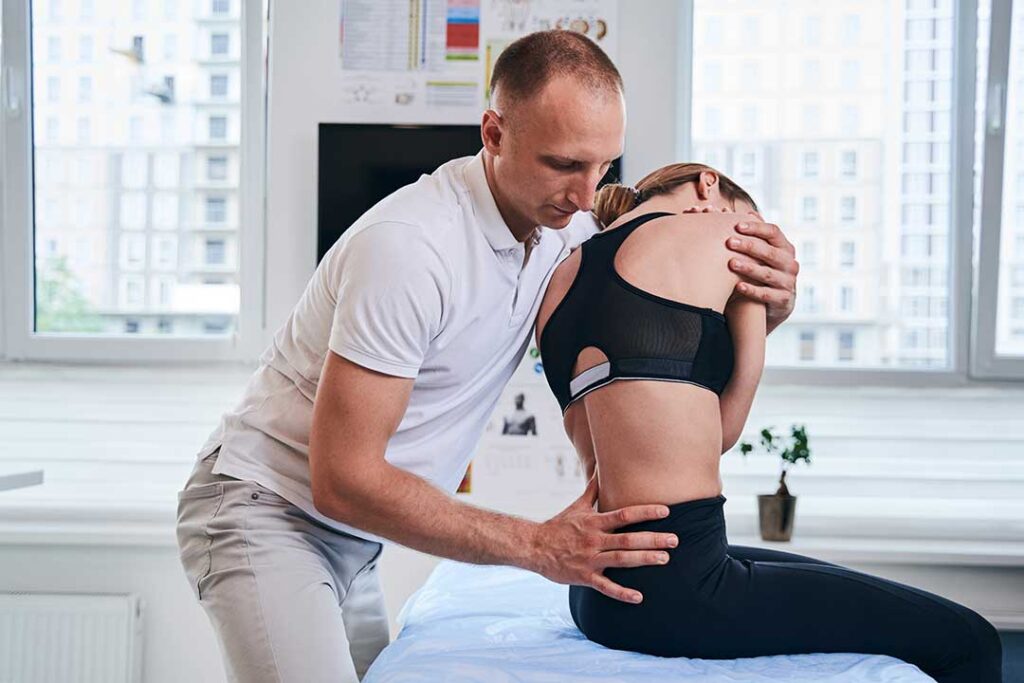
Can Chiropractors Address Vertigo Locally?
Chiropractic care is sometimes considered by people seeking relief from vertigo, especially when other solutions have not provided full relief. For residents in Kiryas Joel, NY, understanding how chiropractic approaches may or may not help with vertigo can empower individuals to make better decisions about their health.
What Is Vertigo and Why Does It Occur?
Vertigo is a sensation that the environment is spinning or moving, often described as dizziness with a sense of imbalance. It can be triggered by problems in the inner ear, nervous system, or elsewhere in the body.
There are two primary forms:
- Peripheral vertigo: Linked to inner ear issues such as benign paroxysmal positional vertigo (BPPV), Meniere’s disease, or vestibular neuritis.
- Central vertigo: Related to disturbances in the brain or spinal cord, sometimes from injury, migraine, or infection.
Sudden changes in body position, walking on uneven ground common in the area after winter, or even household tasks that involve a lot of bending or reaching can sometimes trigger vertigo in local homes.
How Do Chiropractors Approach Vertigo?
Chiropractors focus on the musculoskeletal and nervous systems, primarily through manual adjustments. Some chiropractic approaches aim to address vertigo when it may be associated with cervical (neck) spine misalignments or dysfunction. For example:
- Gentle adjustments to the neck can sometimes help restore nerve function and reduce symptoms, particularly if vertigo coincides with neck pain or stiffness.
- Techniques like the Epley maneuver, while more commonly used by physical therapists or physicians, may be offered by some chiropractors if vertigo is due to BPPV.
However, not all types of vertigo respond to these methods. Chiropractic care does not address inner ear infections, tumors, or vascular causes directly.
Who Might Find Benefit From This Care?
Chiropractic care for vertigo may be most helpful for:
- Individuals whose vertigo seems linked to neck movement, stiffness, or discomfort after local slips and falls, which are not uncommon during icy or wet seasons in Kiryas Joel.
- Those with a history of whiplash, neck injury, or repetitive strain, such as from household lifting or work involving frequent head rotation.
- People seeking non-pharmaceutical symptom relief, especially if medications have caused unwanted side effects.
People experiencing acute, severe, or sudden vertigo—accompanied by speech difficulty, weakness, severe headache, or vision changes—should seek emergency medical care rather than chiropractic treatment.
What Does a Typical Chiropractic Assessment for Vertigo Involve?
An assessment usually looks at:
- Detailed health history focusing on vertigo triggers, frequency, duration, and previous injuries
- Evaluation of head, neck, and spine movement
- Simple balance and neurological tests to rule out more serious origins
If the vertigo appears tied to neck function or posture, the chiropractor may recommend manual therapy. If the origin appears unrelated to the musculoskeletal system, individuals are often referred to other healthcare providers.
What Are Common Misconceptions About Chiropractic and Vertigo?
Several beliefs circulate about chiropractic’s role in vertigo, including:
- Myth: Chiropractic care cures all forms of vertigo.
- *Reality:* It may help certain mechanical or cervical-related cases, but isn’t effective for every cause.
- Myth: Adjustments are risky for people with dizziness.
- *Reality:* When performed by trained professionals, adjustments are typically low risk, but suitability is highly individual and depends on a careful assessment.
- Myth: Only medication or surgery will help.
- *Reality:* Non-surgical, hands-on therapies, including some maneuvers for BPPV, can help certain forms.

Understanding what type of vertigo is present is crucial for determining the right approach.
What Should Residents Expect Regarding Results?
Chiropractic care may help manage symptoms for some, often by improving neck mobility or addressing joint restrictions. If vertigo has a mechanical cause—like BPPV or a neck issue—individuals sometimes notice improvement after a few sessions.
However, results are highly individual:
- Some feel relief quickly
- Others find only partial improvement
- If symptoms worsen or do not change, additional investigation is recommended
Chiropractic care may be most useful as part of a broader approach including balance exercises, medical check-ups, and lifestyle adjustments.
How Can People Manage Vertigo Alongside or Apart from Chiropractic Care?
Local residents can take several self-care and management steps:
- Move slowly when changing positions (rising from bed, bending to pick up items)
- Keep home spaces free of trip hazards, especially in households with children or elderly relatives
- Use railings on stairs, especially during slippery or wet seasons
- Hydrate and eat regularly to prevent vertigo related to low blood pressure
It is also helpful to keep a diary of symptoms, which can aid any healthcare professional in identifying patterns and potential causes.
When Should Medical Attention Be Prioritized?
While some causes of vertigo are benign or self-limiting, certain signs should prompt immediate medical evaluation:
- Fainting
- Double vision, slurred speech, numbness, or weakness
- Severe or “worst-ever” headache
- Vertigo after a head injury
Prompt care is crucial to rule out stroke or serious neurological conditions, even if these are rare in the community.
