

Should you use ice or heat for back pain?
For a recent back strain, ice is often more useful during the first 24 to 72 hours, especially if the area feels sore, irritated, or mildly swollen. Heat is often more comfortable when the main problem is muscle tightness, stiffness, or aching that has lasted longer. However, there is no single rule that works for every person or every cause of pain. ([medlineplus.gov](https://medlineplus.gov/ency/article/002119.htm?utm_source=openai))
For residents of Kiryas Joel, NY, this question may come up after shoveling, carrying household items, lifting a child, spending a long time driving, or becoming more active outdoors during a change in season. Ice and heat can reduce symptoms, but neither one treats every possible source of back pain.
When is ice the better choice?
Ice is generally most appropriate after a new injury or a sudden increase in pain. Cold can temporarily numb the area and may help reduce irritation associated with a minor muscle strain. It may be especially useful after an awkward lift, fall, twist, or unusually demanding physical activity. ([mcpress.mayoclinic.org](https://mcpress.mayoclinic.org/living-well/how-to-relieve-back-pain-at-home/?utm_source=openai))
A safe approach is to:
- Wrap an ice pack, cold gel pack, or bag of frozen food in a thin towel.
- Apply it for about 15 to 20 minutes.
- Remove it for at least 40 minutes before repeating.
- Check the skin during and after treatment.
Never place ice directly on the skin. Direct exposure can cause cold injury, including frostbite. Stop using cold therapy if the skin becomes very pale, painful, blistered, or unusually numb. ([mcpress.mayoclinic.org](https://mcpress.mayoclinic.org/living-well/how-to-relieve-back-pain-at-home/?utm_source=openai))
Cold treatment should feel cool and soothing, not painfully cold. It is not necessary to remain completely still while using ice. Gentle position changes are usually reasonable unless movement sharply increases the pain.
When does heat help more?
Heat often works better for muscle guarding, stiffness, and a dull, persistent ache. Warmth can help tight muscles relax and may make ordinary movement more comfortable. A warm shower, bath, heating pad, or warm towel can be used for short periods. ([mcpress.mayoclinic.org](https://mcpress.mayoclinic.org/living-well/how-to-relieve-back-pain-at-home/?utm_source=openai))
Use heat carefully:
- Keep the temperature comfortably warm rather than hot.
- Limit a heating session to about 15 to 20 minutes.
- Place a layer of fabric between the heat source and the skin.
- Do not fall asleep with a heating pad in place.
- Avoid heat over areas with reduced sensation, poor circulation, or an open wound.
Heat may feel especially helpful on cold mornings or after sitting for a long time. In a community where winter weather can encourage extended indoor sitting, a brief warm shower followed by easy walking may be more useful than remaining in bed.
Is alternating ice and heat a good idea?
Alternating cold and warmth can be reasonable if both provide relief, but it is not required. Some people prefer ice during the first day or two after a flare-up and heat later, while others find that one method consistently works better. MedlinePlus notes that ice is commonly used during the first 48 to 72 hours, followed by heat, while Mayo Clinic guidance also recognizes that individual response matters. ([medlineplus.gov](https://medlineplus.gov/ency/article/002119.htm?utm_source=openai))
If alternating:
1. Use one method for no more than about 20 minutes.
2. Allow the skin to return to normal temperature.
3. Do not apply heat immediately to numb skin.
4. Stop if symptoms become worse rather than better.
The purpose is comfort and improved mobility, not forcing the back to “heal faster.” Heat and ice can ease symptoms, but they do not identify whether the pain comes from a muscle, joint, disc, nerve, or another structure.
What should you do along with ice or heat?
Short periods of comfortable movement are usually preferable to prolonged bed rest. Walking around the home, changing positions, and avoiding the specific movement that caused the flare-up may help maintain mobility. Mayo Clinic advises continuing activity as tolerated and avoiding bed rest for back pain. ([mayoclinic.org](https://www.mayoclinic.org/diseases-conditions/back-pain/diagnosis-treatment/drc-20369911?utm_source=openai))
For the first few days, it may help to avoid:
- Heavy lifting
- Repeated bending and twisting
- High-impact exercise
- Long periods in one position
- Stretching that reproduces sharp or spreading pain
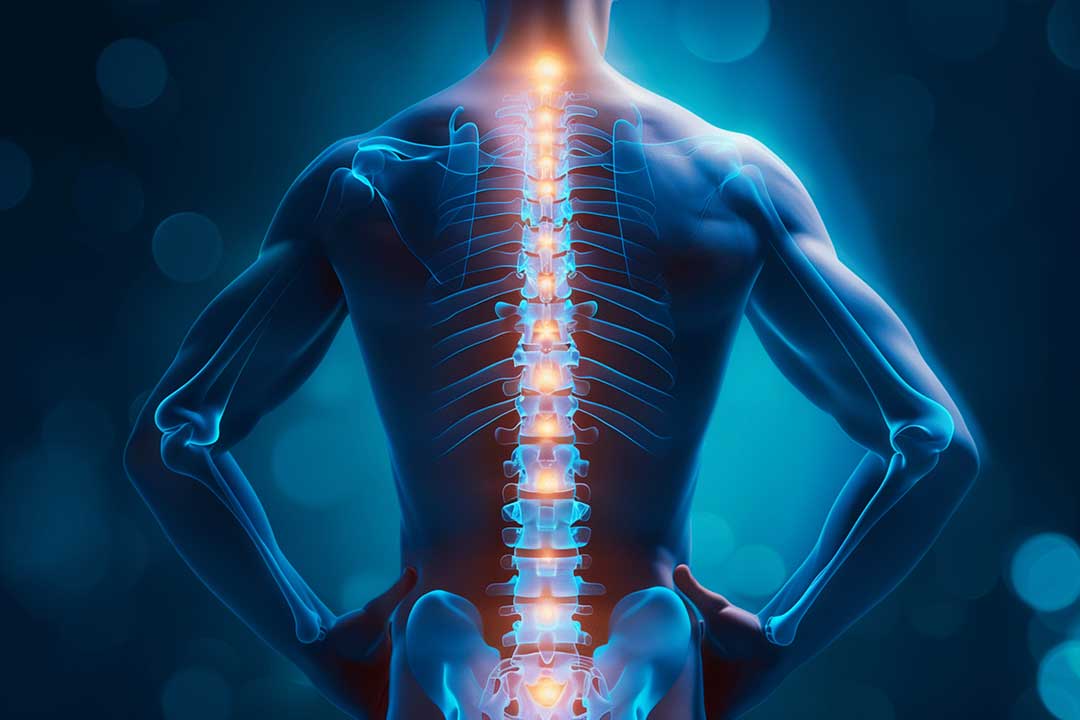
A comfortable sleeping position can also reduce strain. Some people feel better on their side with a pillow between the knees or on their back with support under the knees. The most useful position is the one that reduces symptoms without causing numbness or increased pain.
Over-the-counter pain medication may be appropriate for some adults, but it is not safe for everyone. Conditions involving the kidneys, stomach, heart, blood pressure, pregnancy, blood-thinning medication, or medication allergies can change what is appropriate. A pharmacist or medical clinician can help review those risks.
Does heat or ice work for sciatica?
Heat or ice may temporarily reduce discomfort from sciatica, but pain traveling down the buttock or leg deserves more attention than ordinary muscle soreness. Numbness, tingling, burning, or weakness can indicate irritation of a nerve. Ice or heat may provide short-term comfort, but it should not be used as a substitute for evaluating persistent or worsening symptoms. ([mayoclinic.org](https://www.mayoclinic.org/connected-care/when-to-see-a-doctor-for-back-pain/cpt-20470965?p=1&utm_source=openai))
A chiropractor, physician, physical therapist, or other qualified clinician may consider the symptom pattern, strength, reflexes, movement, and medical history before recommending treatment. The appropriate approach depends on the cause rather than simply whether the pain is located in the lower back.
When should back pain be evaluated promptly?
Seek urgent medical attention for back pain accompanied by new loss of bladder or bowel control, numbness around the groin, significant leg weakness, fever, or pain after a major fall or collision. These symptoms can signal a condition requiring prompt evaluation. ([mayoclinic.org](https://www.mayoclinic.org/connected-care/when-to-see-a-doctor-for-back-pain/cpt-20470965?p=1&utm_source=openai))
Medical evaluation is also appropriate when pain:
- Progressively worsens
- Travels down a leg
- Causes persistent numbness, tingling, or weakness
- Is severe at night or continues when lying down
- Occurs with unexplained weight loss
- Follows an injury
- Does not begin improving with reasonable self-care
For mild back pain without warning signs, a practical starting point is to choose the method that feels better, protect the skin, keep moving gently, and reassess over the next several days. Ice is usually the better first experiment after a fresh strain; heat is often the better choice for tightness and stiffness. If neither helps, or if symptoms are unusual, the next step is evaluation rather than repeatedly switching between hot and cold.
